 dogweek.com
Counting down
dogweek.comToo little exercise leads to boredom and behavior problems; too much can cause harm. Here is how to find the right amount for your dog's age, breed, and health.
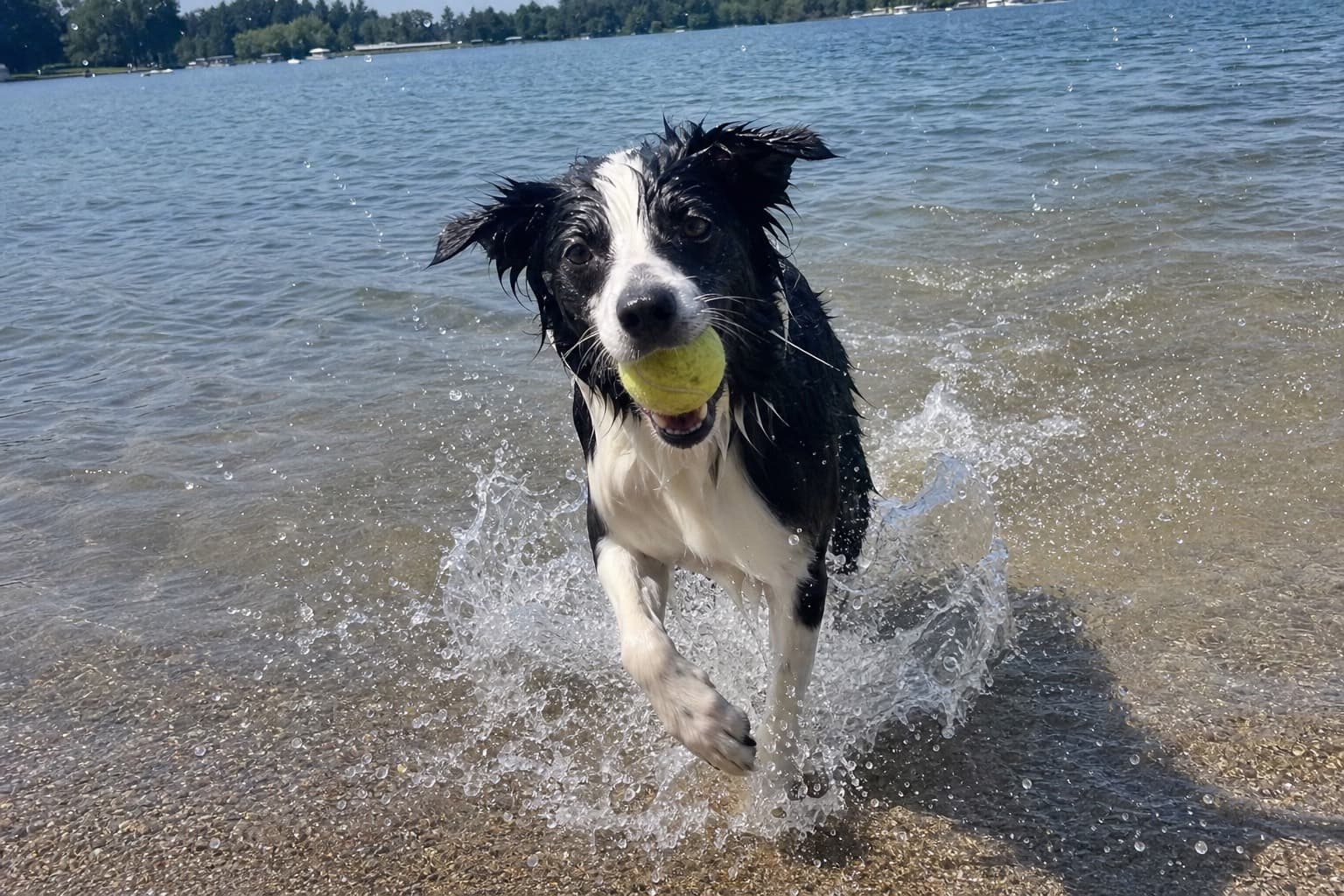
Exercise is essential for a dog's body and mind, but there is no single right amount. The needs of a young herding dog are worlds apart from those of a senior lap dog. The art is matching activity to the individual in front of you — enough to satisfy them, not so much that you cause harm.
Think of it like exercise for people. A marathon runner and someone recovering from surgery both need movement, but in very different doses. Your dog is no different.
Breed, age, and health all shape how much exercise a dog needs. High-energy and working breeds often need substantial daily activity and a job for their minds. Lower-energy breeds and many small dogs are content with less. Some flat-faced breeds must keep activity gentle because they overheat and tire easily.
When in doubt, your veterinarian can suggest a sensible range for your specific dog.
Physical activity is only half the equation. Aerobic exercise like brisk walks or play builds fitness, but mental exercise tires a dog just as deeply. A dog who has hiked all morning can still be restless if their mind is bored. Combine both for a truly satisfied dog.
Sniffing, training, and puzzles are easy ways to add mental work to any day.
Puppies should avoid repetitive high-impact activity that can stress their developing growth plates — free play and short walks are better than forced runs. Senior dogs and those with joint issues do well with low-impact exercise such as gentle leashed walks or swimming. In all cases, build up gradually through conditioning rather than sudden bursts.
More is not always better. Signs of overexertion include heavy lagging, refusing to continue, limping, or excessive panting. On hot days, the risk of overheating rises sharply, so shorten activity and choose cooler times. Always offer water and rest.
Most dogs thrive on a predictable rhythm of daily activity that fits their needs. A consistent routine prevents the boredom that fuels many behavior problems and keeps your dog healthy and content.
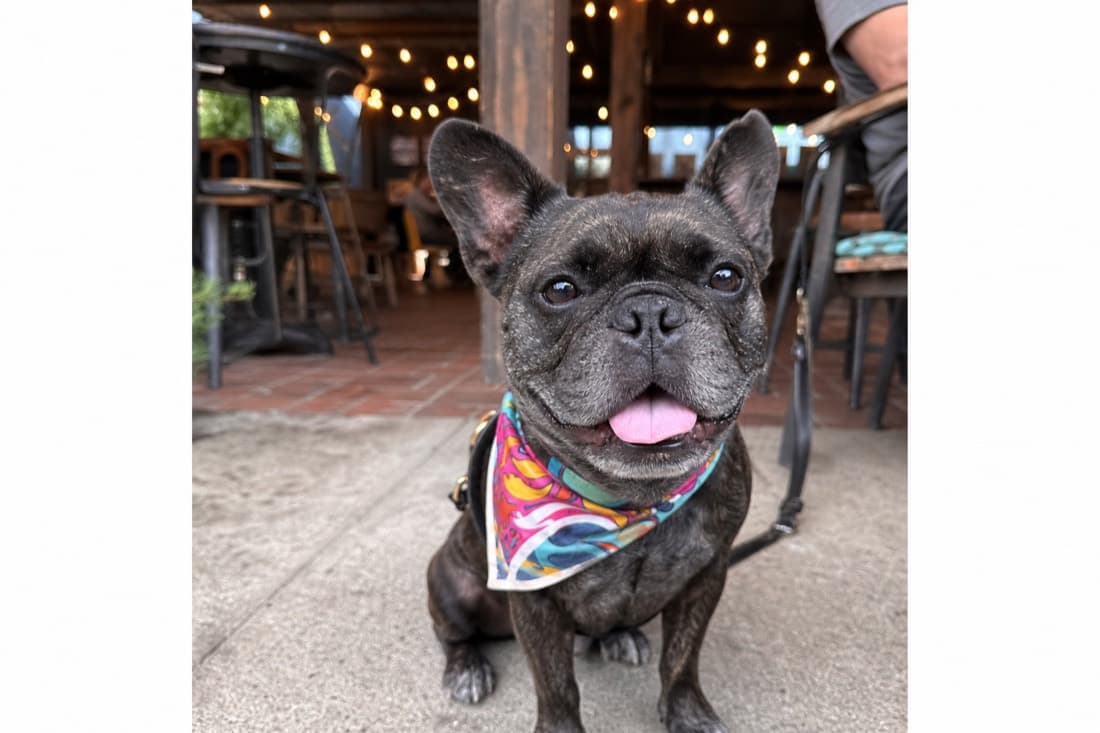
Pugs, French Bulldogs, and Bulldogs steal hearts with their squishy faces. Those same faces come with real health needs. Here is how to keep a flat-faced dog comfortable and safe.
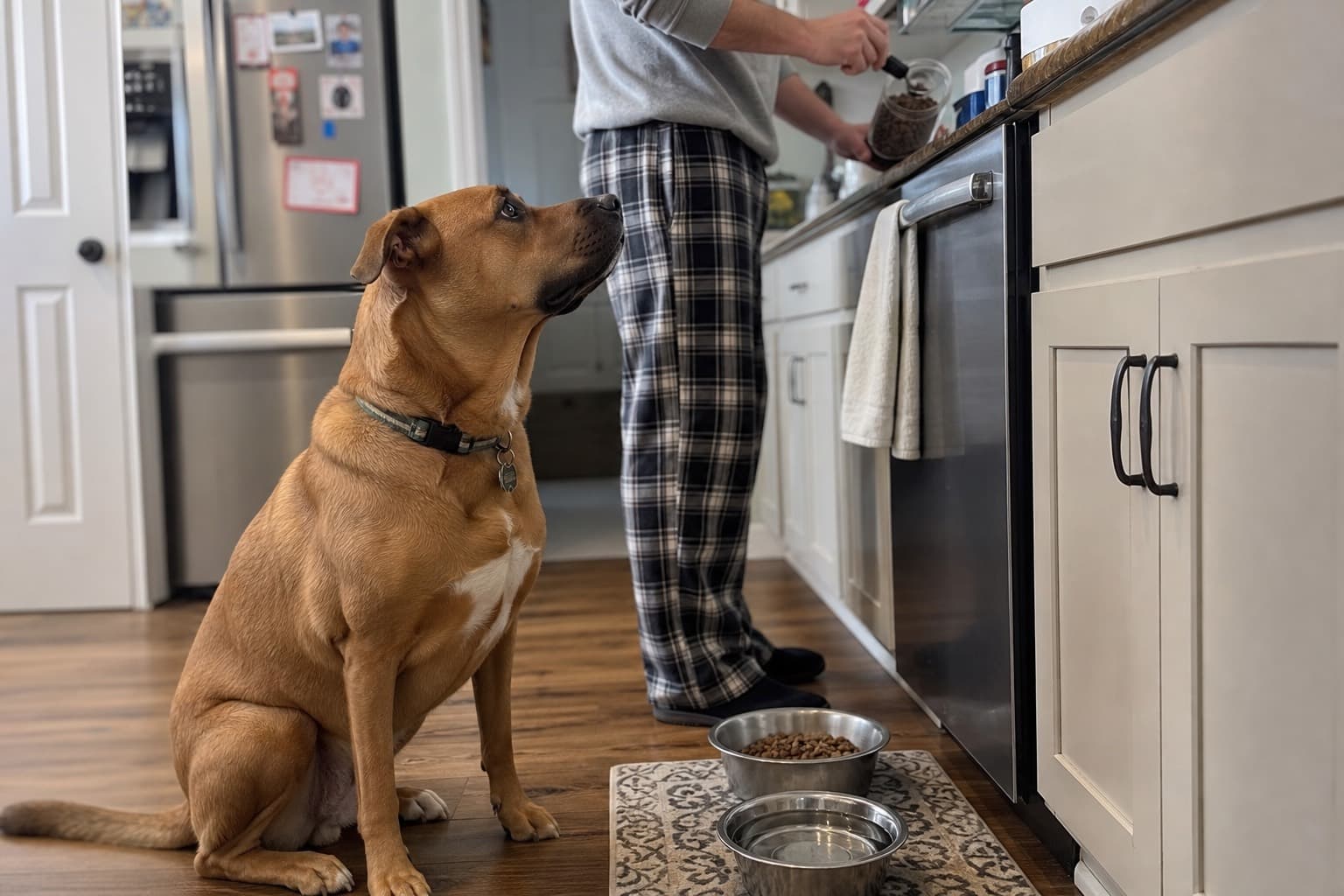
A healthy gut shapes everything from digestion to mood. Here is what the canine microbiome actually is, why it matters, and the simple habits that support it — without the hype.