 dogweek.com
Counting down
dogweek.comA healthy gut shapes everything from digestion to mood. Here is what the canine microbiome actually is, why it matters, and the simple habits that support it — without the hype.
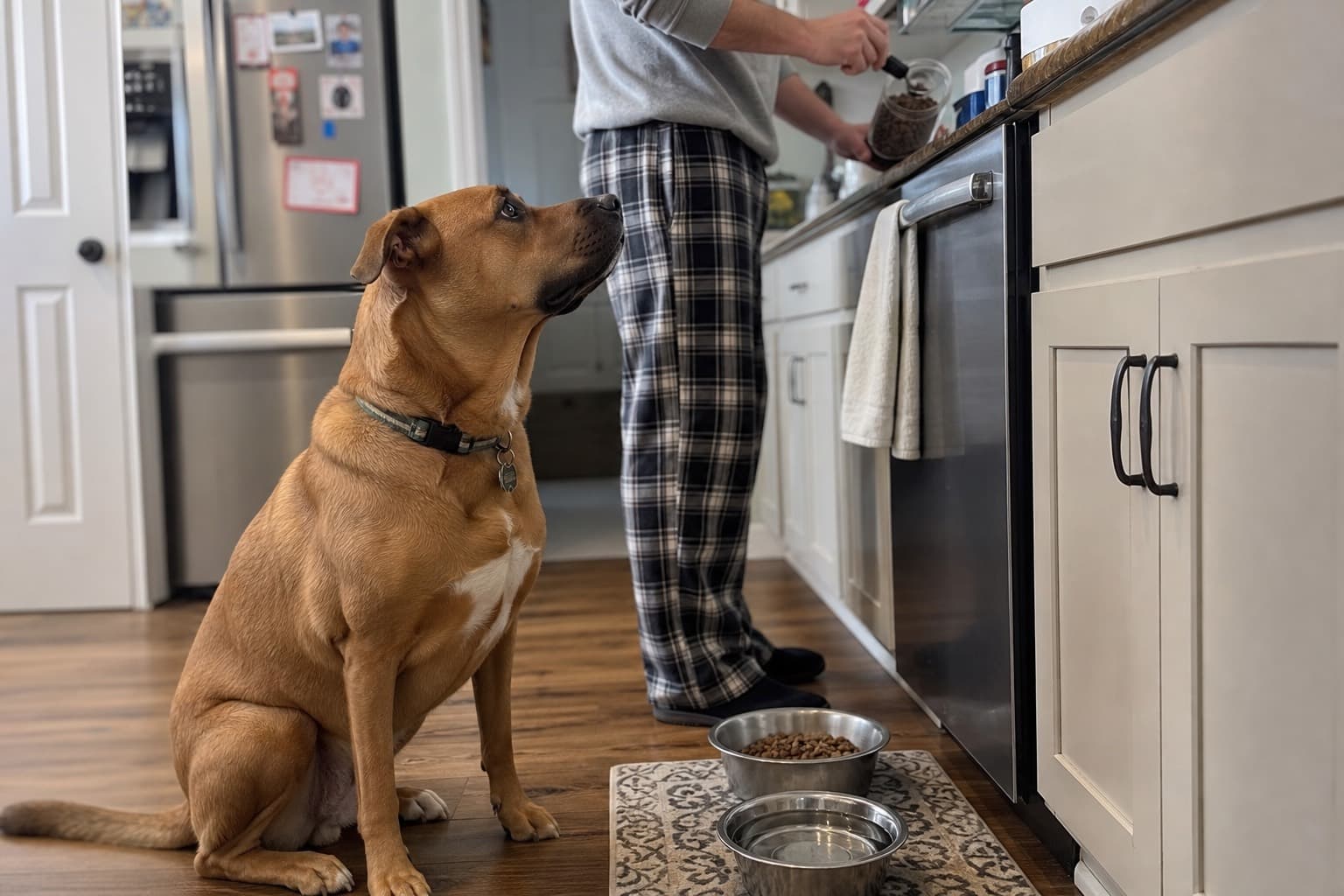
Gut health is one of the most talked-about topics in dog care, and for good reason. The digestive system does far more than process food — it influences immune function, energy, and even behavior. At the center of it all is the microbiome, the bustling community of microbes living in your dog's gut.
Think of the microbiome like a thriving garden. When it is balanced and well-fed, everything grows in harmony. When it is neglected or disrupted, weeds take over.
The trillions of bacteria in your dog's gut help break down food, produce certain nutrients, and train the immune system to tell friend from foe. A balanced microbiome supports firm stools, steady energy, and a resilient body.
When that balance tips — a state called dysbiosis — you may notice gas, loose stools, or a sensitive stomach. Stress, abrupt diet changes, and some medications can all nudge the garden off balance.
The single biggest lever is consistent, quality nutrition. A complete and balanced diet appropriate for your dog's life stage gives the microbiome the raw materials it needs.
Fiber plays a special role. Prebiotic fibers act as food for beneficial bacteria, helping them flourish. Many quality diets include them, and your veterinarian can advise whether your dog would benefit from more.
Probiotics — live beneficial bacteria — can help during digestive upset, after a course of antibiotics, or for dogs with sensitive systems. They are a useful tool, not a cure-all. Choose products designed for dogs, and check with your veterinarian before adding supplements.
The goal is support, not a shelf full of trendy powders.
One of the most common causes of an upset gut is switching food too fast. Always use a transition period: mix a little new food into the old, then shift the ratio over several days. This gives the microbiome time to adapt and keeps digestion smooth.
Occasional mild upset is normal. Persistent diarrhea, vomiting, weight loss, or signs of pain are not — and they deserve a veterinary visit. Gut symptoms can point to bigger issues, so trust your instincts.

Extra weight is one of the most common — and most fixable — threats to a dog's health and happiness. Here is how to tell if your dog is at a healthy weight and what to do about it.

Pugs, French Bulldogs, and Bulldogs steal hearts with their squishy faces. Those same faces come with real health needs. Here is how to keep a flat-faced dog comfortable and safe.