 dogweek.com
Counting down
dogweek.comSome dogs panic when left alone. Separation anxiety is real distress, not bad behavior — and it can get better. Here is how to recognize it and the gentle steps that help.
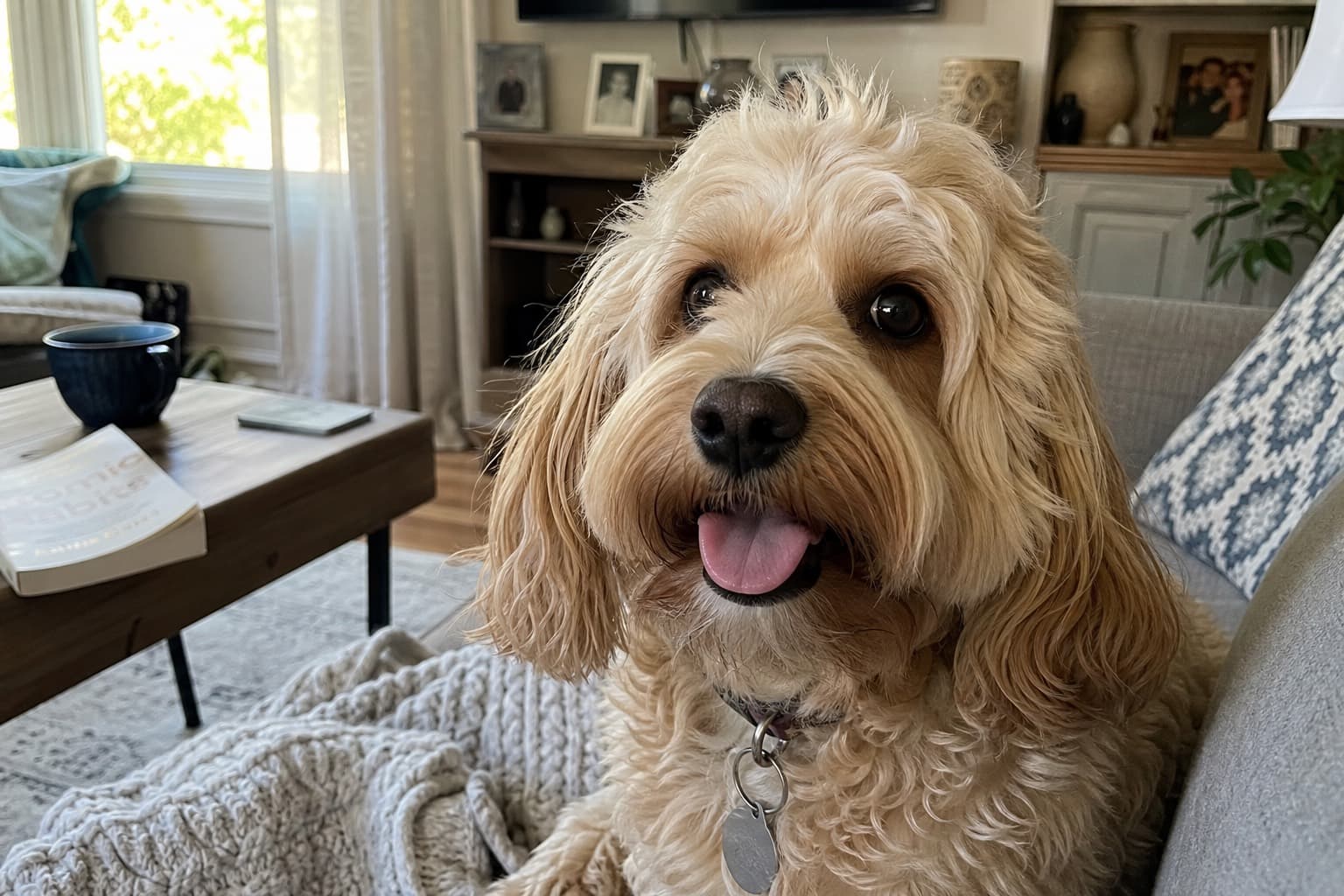
Coming home to chewed furniture, complaints from neighbors about howling, or a dog who seems frantic the moment you reach for your keys can be heartbreaking and confusing. Often, the cause is separation anxiety — true panic at being left alone. The good news is that with patience and the right approach, most dogs improve.
Think of it like a fear of flying in people. It is not stubbornness or drama; it is a real, overwhelming feeling. And like any fear, it responds to gentle, gradual exposure rather than force.
Separation anxiety usually shows up only when the dog is alone or about to be. Common signs include excessive barking or howling, destruction near doors and windows, pacing, drooling, or accidents in an otherwise house-trained dog.
A camera can help you confirm what is happening while you are out. If your dog is calm and napping, you may be dealing with something else, like boredom.
The heart of the work is gradual departures paired with desensitization. Begin with absences so short your dog stays relaxed — even just stepping out the door and coming right back. Slowly extend the time only as your dog remains calm.
Rushing this stage is the most common mistake. Going at your dog's pace is what makes it stick.
Many anxious dogs start to worry at the first departure cues — keys, shoes, a certain jacket. You can take the power out of these signals by doing them at random times without leaving, so they stop predicting your absence.
Keep comings and goings calm and low-key rather than emotional.
A comfortable safe space, along with engaging activities like a stuffed food toy, can help your dog associate alone time with something pleasant. For mild cases, enrichment alone can make a real difference.
Severe separation anxiety is tough to tackle alone, and there is no shame in getting support. A certified trainer experienced in this area, or a veterinary behaviorist, can build a plan and discuss whether medication would help your dog cope while they learn.
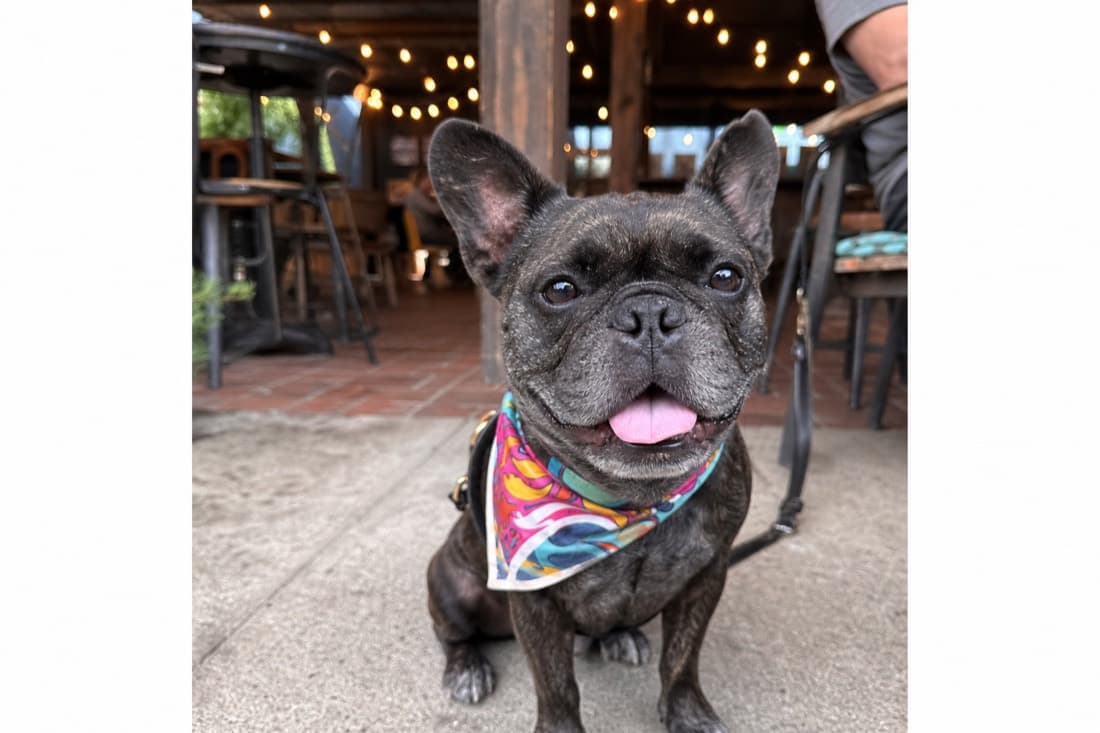
Pugs, French Bulldogs, and Bulldogs steal hearts with their squishy faces. Those same faces come with real health needs. Here is how to keep a flat-faced dog comfortable and safe.
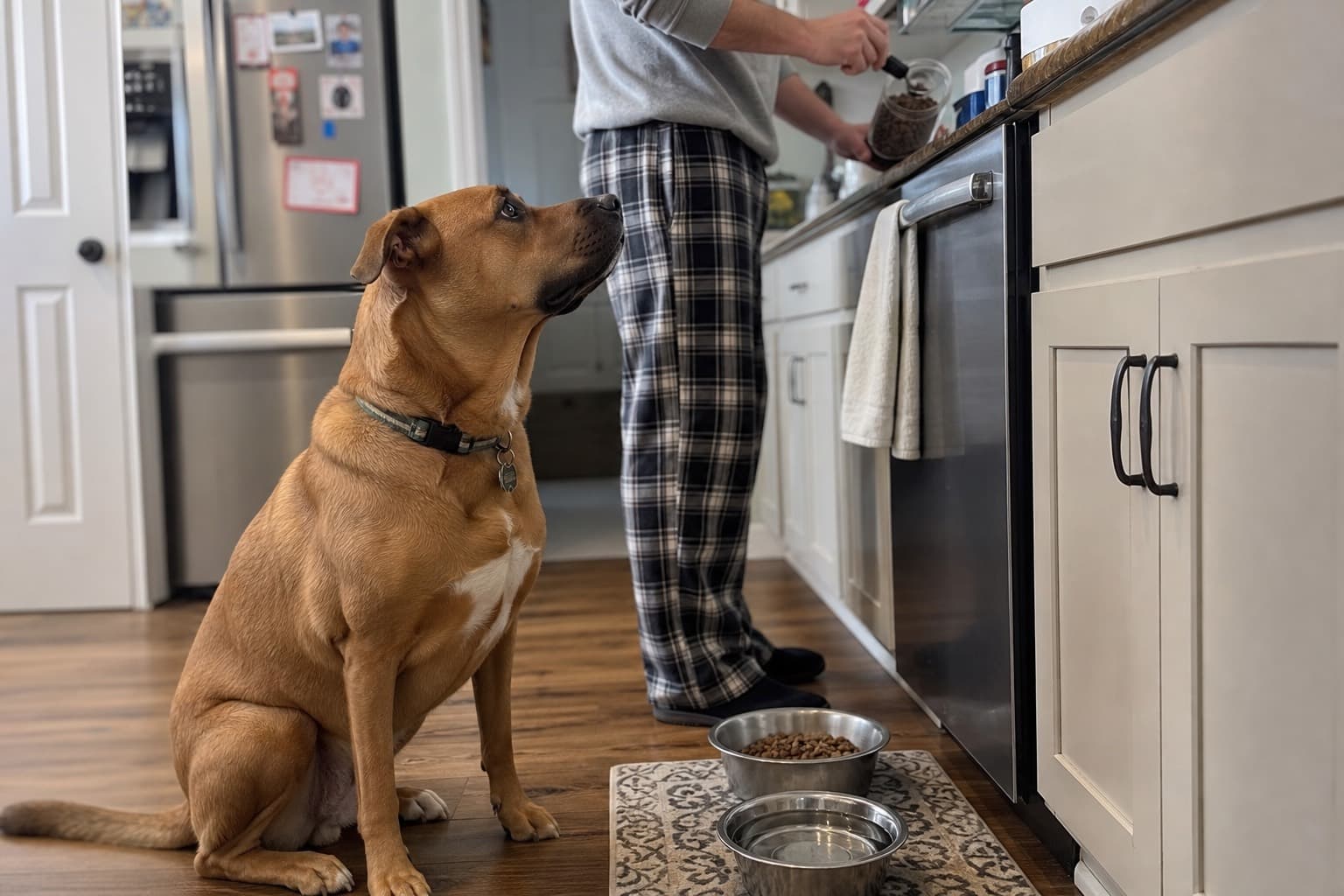
A healthy gut shapes everything from digestion to mood. Here is what the canine microbiome actually is, why it matters, and the simple habits that support it — without the hype.