 dogweek.com
Counting down
dogweek.comDental disease is one of the most common — and most overlooked — health problems in dogs. The good news: a simple routine prevents most of it. Here is what works.

A dog's smile deserves more attention than it usually gets. Dental disease is among the most common health issues in adult dogs, and it does more than cause bad breath — untreated, it can lead to pain, tooth loss, and strain on other organs. The encouraging part is that a little routine care prevents most of it.
Think of it like your own teeth. Skipping brushing for years would cause serious problems, and the same is true for your dog. Small, consistent habits make all the difference.
It begins with plaque, a sticky film of bacteria on the teeth. Within days, plaque hardens into tartar, which clings stubbornly and irritates the gums. Over time this leads to periodontal disease — inflamed, infected gums that can become painful and damage the teeth.
Because dogs hide discomfort well, problems often advance before owners notice. Prevention beats treatment every time.
Nothing matches daily brushing. Use a dog toothbrush or finger brush and enzymatic toothpaste made for dogs — never human toothpaste, which can be harmful. Start slowly, let your dog lick the paste, and build up to gentle brushing along the gumline. A few minutes a day protects those teeth for years.
If daily feels like a lot, even a few times a week helps considerably.
Brushing is the foundation, but other tools support it. Quality dental chews can reduce plaque as your dog gnaws, and certain dental diets and water additives are designed to help. Look for products vetted by your veterinarian, and remember these complement brushing rather than replace it.
Persistent bad breath, red or bleeding gums, yellow-brown buildup, pawing at the mouth, or reluctance to eat all point to dental trouble. If you spot these, schedule a veterinary visit rather than waiting.
Even with great home care, most dogs benefit from professional cleanings. Your veterinarian can remove tartar below the gumline and check for problems you cannot see. Ask how often your individual dog should be cleaned.

Pugs, French Bulldogs, and Bulldogs steal hearts with their squishy faces. Those same faces come with real health needs. Here is how to keep a flat-faced dog comfortable and safe.
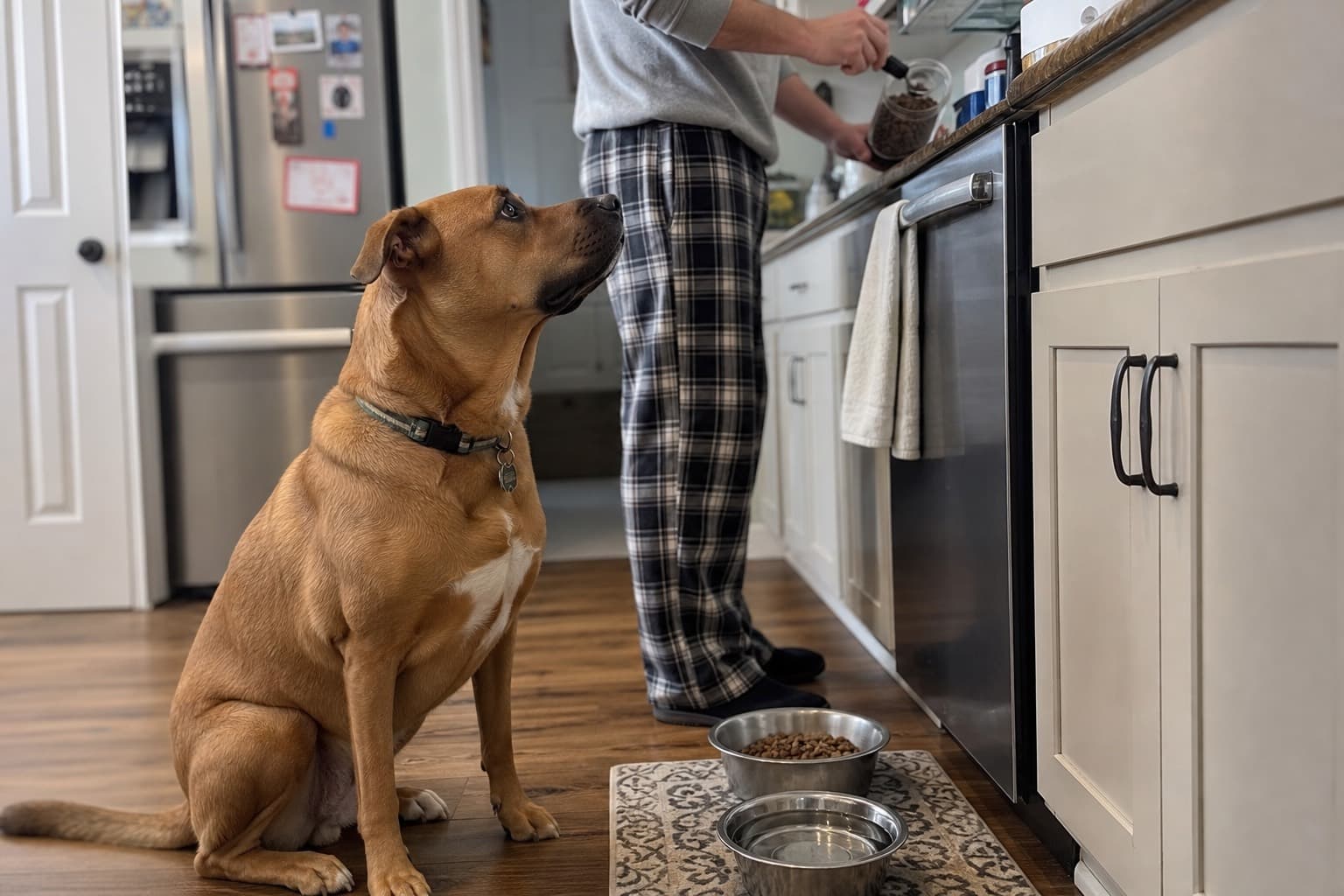
A healthy gut shapes everything from digestion to mood. Here is what the canine microbiome actually is, why it matters, and the simple habits that support it — without the hype.