 dogweek.com
Counting down
dogweek.comA bored dog finds their own fun — usually in the trash or your shoes. Enrichment channels that energy into healthy outlets. Here are easy ideas for body, nose, and brain.
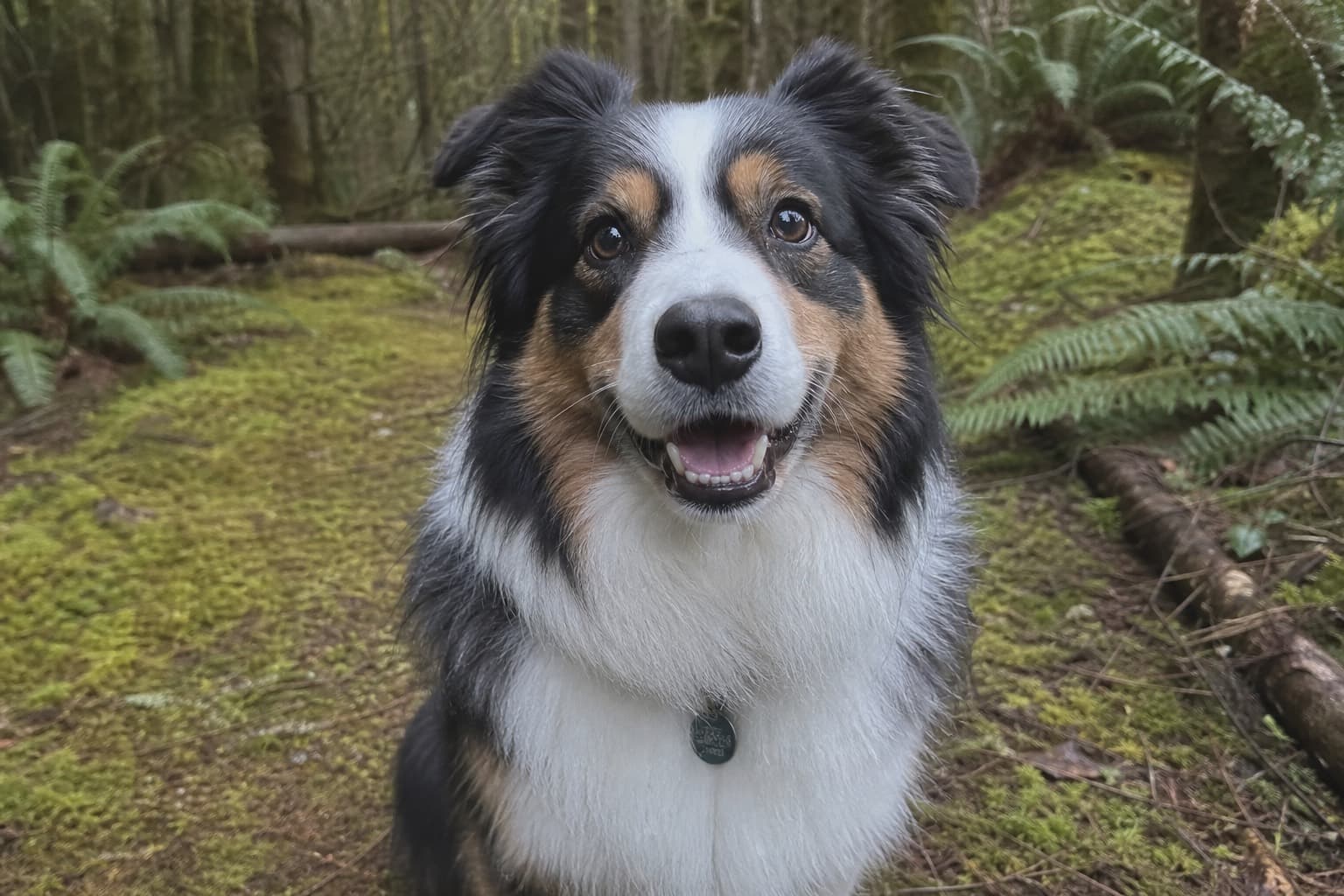
A tired dog is a happy dog — but the kind of tired that matters most is mental as well as physical. Many behavior problems, from chewing to barking, come down to simple boredom. Enrichment is the answer: it gives your dog meaningful ways to use their instincts, so they do not have to invent their own.
Think of it like a child on a rainy day. With nothing to do, they find trouble. Give them an engaging project, and they are content for hours.
A dog's sense of smell is extraordinary, and using it is wonderfully tiring in the best way. Scattering kibble in the grass, using a snuffle mat, or hiding treats around a room turns mealtime into satisfying foraging.
A simple "find it" game — hiding a treat and letting your dog sniff it out — delivers more mental work than a long walk, and most dogs adore it.
There is no rule that meals must come from a bowl. A food puzzle or a stuffed, frozen feeding toy turns dinner into an enjoyable challenge. This slows fast eaters, occupies busy minds, and gives your dog a real sense of accomplishment.
Rotate a few options to keep things fresh.
Physical exercise still matters. Beyond the standard walk, try a decompression walk in a quiet, open space where your dog can sniff and explore freely on a long leash. Add games like fetch or tug, or let two friendly dogs play. Match the intensity to your dog's age and health.
Training is enrichment too. Learning a new trick, practicing an old cue, or working through a shaping game exercises the brain and strengthens your bond. Short, upbeat sessions a few times a day add up quickly.
Variety is the secret. The same toy every day loses its spark, so rotate activities across the nose, the body, and the brain. A little planning each week keeps your dog fulfilled — and your shoes safe.

Dogs are constantly telling us how they feel — with their eyes, ears, tail, and posture. Learn to read the most important signals so you can respond with confidence and kindness.

Positive, force-free training is the modern, science-backed way to teach dogs. Here is what it means, why it works, and how to start using it today — no special equipment required.